
Whole-Home Backup Planning with a 15kW Hybrid Inverter
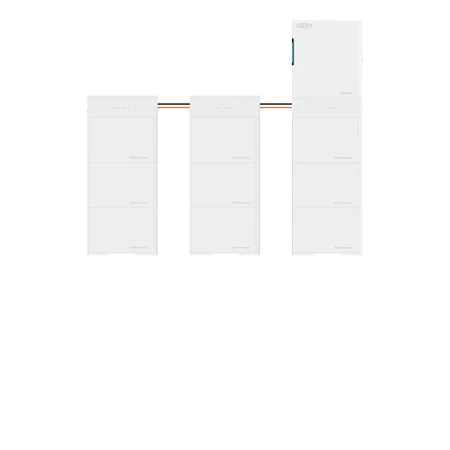
A 15kW hybrid inverter can support whole-home backup when matched with the right battery size, solar capacity, and load planning. A typical design combines 15kW continuous output, 30–60kWh battery storage, and solar input between 15–30kW. For large homes, this setup can maintain HVAC, refrigeration, lighting, networking, and essential appliances during grid outages while improving daily solar energy use.
Whole-home backup planning starts with understanding household electricity demand. A 15kW hybrid inverter is designed for homes where multiple electrical devices operate at the same time, including heat pumps, electric water heaters, kitchen equipment, and EV charging systems. Many large residential properties use 40–100kWh of electricity per day, depending on climate, building size, and appliance efficiency.
A backup system should be designed around actual energy use patterns rather than only the maximum inverter rating.
Peak power demand is usually higher than average consumption. For example, a home may use only 3–5kW during normal hours but reach 12–15kW when air conditioning, pumps, and cooking equipment start together. Motor-based devices can require 2–5 times their normal power for a short period, so inverter surge capacity and response speed must be considered during system planning.
Battery selection determines how long a home can operate without grid power. A 15kW inverter paired with a 20kWh battery may support essential circuits for several hours, while a 50kWh battery can provide much longer operation for homes with higher electricity demand.
| Battery Size | Typical Backup Use |
|---|---|
| 15–20kWh | Refrigerators, lights, internet, basic appliances |
| 30–50kWh | HVAC operation, kitchen appliances, daily household use |
| 60kWh+ | Extended outages with solar recharge support |
Lithium iron phosphate batteries are widely used in residential energy storage because they provide long service life and stable performance. Many LiFePO₄ batteries support 4,000–8,000 cycles, with usable depth of discharge commonly reaching 80–95%. Compared with older lead-acid systems, lithium storage usually provides better long-term performance for daily charging and discharging.
Solar integration changes how a backup system performs during extended outages. A hybrid inverter allows solar panels to supply household loads while charging batteries with excess production. A system using a 20kW solar array with an average of 4.5 peak sun hours may generate around 90kWh per day before efficiency losses.
The solar array size should match the inverter and battery capacity. Oversized PV input can improve battery charging speed during daylight hours and increase energy independence during longer outages. Many modern systems support flexible solar configurations, allowing homeowners to expand photovoltaic capacity as electricity needs increase.
For larger residential installations, a configuration such as 15kW three-phase ESS with 30kW PV input can provide higher solar utilization while supporting balanced power distribution across three electrical phases. Three-phase systems are often used in larger homes, farms, and properties with higher electrical equipment demand.
A three-phase architecture helps distribute electrical loads more evenly and can reduce stress on individual circuits when several appliances operate at the same time.
Load management is another important part of whole-home backup planning. Even a 15kW inverter has limits, so households should organize appliances based on priority. Smart energy management systems can automatically adjust power usage by controlling flexible loads.
| Load Category | Examples | Priority |
|---|---|---|
| Essential | Refrigerator, medical devices, communication systems | High |
| Comfort | Heating, cooling, entertainment | Medium |
| Flexible | EV charging, pool pumps, decorative lighting | Lower |
Homeowners installing EV chargers should include future electricity demand in the design. A Level 2 EV charger can consume around 7–12kW, which may represent a large portion of inverter capacity when combined with other appliances. Scheduling EV charging during high solar production periods can reduce battery consumption during nighttime outages.
System installation also requires proper electrical protection and equipment placement. Residential energy storage installations typically include battery disconnects, surge protection devices, grounding systems, and communication connections between the inverter, battery, and monitoring platform.
In regions with frequent storms or unreliable utility service, battery location and environmental conditions affect system reliability. Many manufacturers recommend indoor or weather-protected installation areas where temperature remains within the battery operating range. Maintaining suitable temperature conditions can help preserve battery capacity over many years.
The economic performance of a hybrid backup system depends on electricity prices, outage frequency, solar production, and battery usage patterns. In areas with time-of-use electricity rates, homeowners can charge batteries when electricity prices are lower and use stored energy during expensive periods.
A 2025 residential energy storage market analysis showed continued growth in solar-plus-storage adoption as battery prices declined and homeowners looked for greater electricity control. Systems with intelligent monitoring platforms can provide information about daily consumption, solar production, and battery status, helping users adjust energy habits.
Whole-home backup planning should also consider future changes in household electricity use. A home built today may add EV charging, heat pumps, electric cooking equipment, or additional appliances within 5–10 years. Designing with extra inverter capacity and expandable battery options can reduce the need for major upgrades later.
A well-designed 15kW hybrid inverter system combines solar generation, battery storage, and household load control into one energy platform that can provide reliable backup power and improve renewable energy usage.
A complete design process includes electrical load assessment, solar evaluation, battery sizing, inverter selection, and installation planning. When these parts are matched correctly, a 15kW hybrid inverter can support large residential properties with stable backup power while allowing solar energy to supply a larger share of daily electricity demand.
Build your world today
Replace six-month builds with same-day deployment. Join 1,200+ studios shipping on Wyrldscape.